2 hours ago
Lena de Vries is een ervaren tuinarchitect met passie voor duurzaam groenontwerp.
The former US second-in-command Dick Cheney, who died at age 84, was considered arguably the most significant incumbents of that position in US history. Although numerous VPs were limited to minor or symbolic positions, Cheney wielded substantial influence during the term of George W Bush, so much so that he was frequently referred to as the "true president".
Bush resented this portrayal and said the connection was more complicated. He observed that Cheney was courteous, always addressing him in public as the President, while he called him as Dick. Bush challenged even portrayals of their relationship as a collaboration because it implied that they were on equal footing. Regardless of these denials, Cheney viewed the laidback president pliable on a broad range of policy decisions.
At the head of a contingent of neo-cons that included military head Donald Rumsfeld and Pentagon second-in-command Paul Wolfowitz, he vigorously promoted the armed incursion of Iraq in 2003 in response to the 9/11 attacks on New York and Washington. When of the 9/11 assault, Bush had been participating in a session at a elementary school in Florida. Whereas Bush traveled to a secret bunker in Nebraska, Cheney took command, commanding the downing of any non-communicating airplanes heading toward the US Capitol.
Cheney stated the attacks transformed him, making him become determined on retaliation. Together with other conservative figures, such as Rumsfeld and Wolfowitz, he campaigned for a occupation of Afghanistan in an endeavor to apprehend Osama bin Laden. Cheney then vigorously pushed for the military action of Iraq, even though there was insufficient indication of Saddam Hussein playing a role.
He voiced no apologies about the invasion, in which an reckoned 100,000 Iraqis died, or about the waterboarding of suspects apprehended after 9/11. He stated to CNN in 2015 that the Iraq military action, which was founded on faulty intelligence circulated by Cheney, was the proper course of action. "It was the right thing to do back then. I had faith back then and I maintain that stance today."
But during that period, there were contrary opinions at a senior level about the mishandling of Iraq. One of the administration's own delegates to the Middle East, General Anthony Zinni (2001-03), was dismissed from the position. "I saw, at the very least," he later wrote "true dereliction, negligence, and unaccountability: in the worst case, lying, unfitness, and corruption."
Cheney was not entirely responsible for the Iraq campaign. Even before 9/11, Wolfowitz had advocated for comparable steps. He had drafted a memorandum setting out circumstances in which national priorities might be compromised (encompassing "access to essential resources, primarily Persian Gulf oil"). Wolfowitz had argued that "the US should be positioned to act independently when collective action cannot be arranged," particularly mentioning defense operations against Iraq.
Bush additionally had arrived in the presidency generally inclined on executing what his predecessor had famously refused to do in 1991; remove Saddam. Subsequent to he had been fired by the administration, the finance chief Paul O'Neill revealed how, at the opening session of the National Security Council in January 2001, Bush had stated his plan of diminishing America's involvement in the regional tensions and suggested military action against Iraq.
Bush bore a personal grudge against Saddam, believing he had been behind a plot to kill his father, President George HW Bush, on a trip to Kuwait in 1993. He additionally disliked that one of the biggest accommodations in Baghdad had a ground design with a likeness of his father's visage that all visitors had to step on.
However it was Cheney who was one of the most vehement supporting attacking Iraq, frequently citing intelligence reports that were either thin or completely misleading. He backed what the Bush White House euphemistically referred to as "intensive questioning", the use of simulated drowning and physical pressure.
Answering a Senate document in 2014 that concluded that no actionable intelligence had resulted from the torture, Cheney rejected the report as "loaded with crap". He informed Fox News: "We instructed [the CIA] to take steps and create procedures to catch the bastards who took the lives of 3,000 of us on 9/11 and make sure it never happened again. That is precisely what they did and they earn a lot of recognition."
Cheney enjoyed monikers assigned to him by critics such as the Star Wars villain and The Prince of Darkness, and by the idea that he was a sinister influence controlling Bush. In the author's 2013 book about the pair, Days of Fire: Bush and Cheney in the White House, Cheney is cited as commenting: "Is it me who is the sinister strategist in the corner that nobody ever sees come out of his hole? This represents a advantageous way to work, truthfully."
Debate over his corporate affiliations followed him through his period as second-in-command. Although he had little experience in business but established relationships in military, particularly in Saudi Arabia, he was asked to become part of Halliburton, one of the world's biggest oil and gas corporations, in 1995 as chair and chief executive.
In 2000 he was selected as Bush's VP candidate for the executive branch. Controversially, during the military campaign, Halliburton was awarded US deals totaling billions.
It significantly boosted his finances. His yearly earnings during his time at the corporation grew from his previous salary during his time as military head to over four million. When he departed in 2000 he had a severance arrangement totaling over $20m|twenty
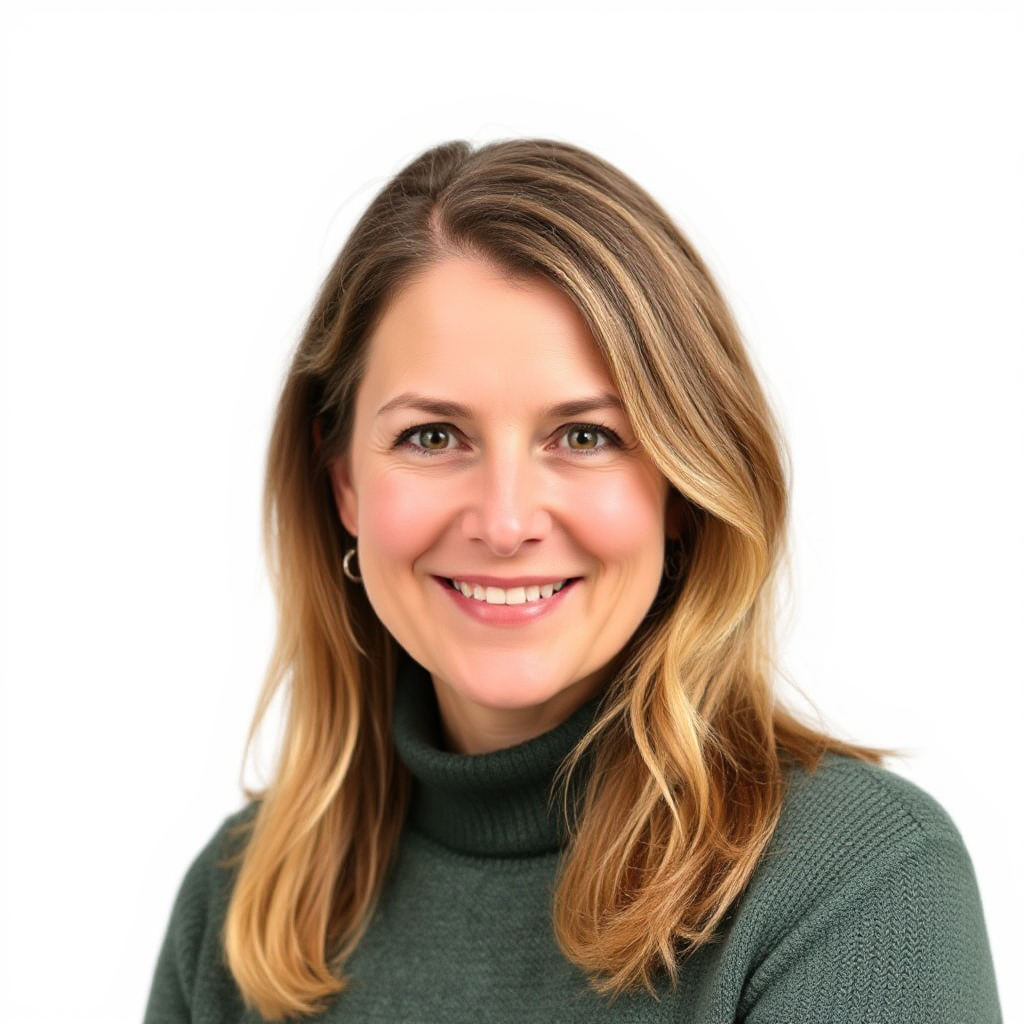
Lena de Vries is een ervaren tuinarchitect met passie voor duurzaam groenontwerp.
 News
Lori Carpenter
Lori Carpenter
Lori Carpenter